
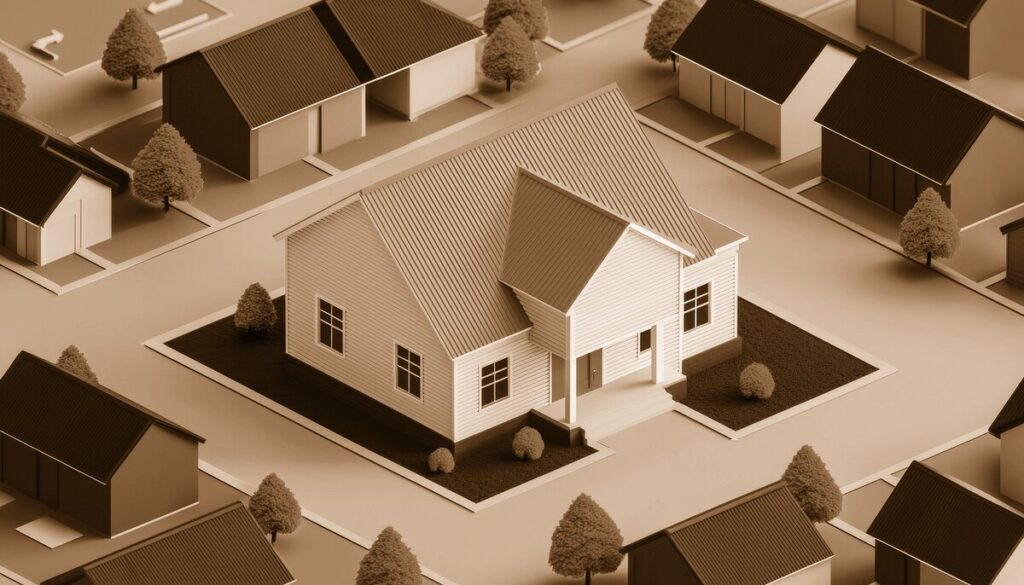
Nestled in the southeast corner of Pasadena, Baywood Oaks West stands as a testament to community spirit, thoughtful planning, and the enduring warmth of neighborhood life. For longtime residents and newcomers alike, this charming enclave weaves together the storied past of Pasadena, TX with the promise of a vibrant future. Let’s journey through the history and heritage that make Baywood Oaks West truly special.
The Origins of Baywood Oaks West
The story of Baywood Oaks West begins in the late 20th century, during a period of significant growth in Pasadena. As the Houston metropolitan area expanded, Pasadena saw a surge in families seeking space, comfort, and community outside the city’s bustle. Developers looked south of Spencer Highway—a growing commercial corridor—and envisioned quiet, tree-lined streets where neighbors would know each other by name.
Baywood Oaks West was established in the mid-1990s, following the success of adjacent developments like Baywood Oaks. The "Baywood" name itself is a nod to the area's natural features. “Bay” refers both to its proximity to the bayous threading through southeast Harris County and the broader Galveston Bay ecosystem, while “Wood” highlights the intentional preservation of mature trees and green belts dotting the landscape. “West” distinguishes the neighborhood from its older sibling, Baywood Oaks, located to the east across Burke Road.
Key Historical Milestones
From its inception, Baywood Oaks West has steadily grown into a sought-after neighborhood. Some of the key milestones include:
- 1994–1997: Groundbreaking and Early Development
Builders like David Weekley Homes and Lennar began constructing the first houses along Bay Oaks Drive, a road that would become the spine of the community. Early residents recall dirt roads and construction crews, but also the excitement of shaping their environment from the ground up.
- 2001: Formation of the Baywood Oaks West Homeowners Association
To maintain the neighborhood's appeal and protect resident interests, the HOA was established, instituting deed restrictions and overseeing communal spaces. This move provided lasting structure and a sense of pride, with volunteers organizing neighborhood watch programs and seasonal events.
- Mid-2000s: Community Parks and Green Spaces
The creation of Baywood Oaks West Park off Bay Branch Drive marked a significant moment. The park became a vital gathering spot for families, providing a new playground, walking trail, and shaded picnic areas. Over time, oaks and magnolias planted here have grown into the literal heart of the neighborhood.
- 2010–Present: Continued Growth and Renewal
As neighboring Pasadena ISD schools such as Turner Elementary and Elmer G. Bondy Intermediate flourished, more families were drawn to Baywood Oaks West. Sidewalk improvements, street resurfacing, and beautification projects continue to enhance the neighborhood.
Notable Landmarks and Beloved Spaces
Though a residential suburb at heart, Baywood Oaks West boasts several landmarks that anchor daily life:
- Baywood Oaks West Park
Set amidst gentle slopes on Bay Branch Drive, this park serves as the soul of the community. Children’s laughter fills the air, neighbors walk their dogs, and gatherings spill over onto grassy lawns. Benches here tell stories—of graduation parties, family reunions, and lazy summer afternoons.
- The Entrance Monument on Bay Oaks Drive
The brick and stone sign, framed by seasonal flowerbeds, welcomes residents home. Especially striking during holidays, when it’s lit up with festive lights, the entrance monument has become an unofficial gathering point for photos and neighborhood news.
- Nearby Schools
While technically outside the neighborhood’s boundaries, Turner Elementary, Stuchbery Elementary, and Bondy Intermediate are focal points for local families. Morning traffic along Burke Road and Genoa Red Bluff Road is a familiar rhythm, echoing the hum of a community invested in its future.
How Baywood Oaks West Has Evolved
The neighborhood has gracefully grown over the decades, adapting to changing times while preserving its essential spirit. Early homeowners recall vacant fields where children played football, now home to additional houses and carefully designed stormwater retention ponds—a nod to sound urban planning and flood mitigation.
Community engagement remains a hallmark. The Baywood Oaks West Facebook group is bustling: neighbors trade tips on local handymen, give away outgrown bicycles, and rally to aid a family in need. Tradition reigns each Halloween, when homes along Forest Trail Drive transform into a child’s dreamscape.
Baywood Oaks West also prides itself on diversity. Reflecting Pasadena’s dynamic population, you’ll find backyard barbecues featuring fajitas, crawfish boils, and tamales alike. Annual garage sales spill out onto Bay Oaks Drive and Bayou Vista Court, with treasures exchanged and stories shared.
Local Streets That Tell a Story
Every corner of Baywood Oaks West has its own personality:
- Bay Oaks Drive—the main thoroughfare, hosting holiday parades and evening bike rides.
- Bay Branch Drive—lined with mature trees and home to the community park.
- Forest Trail Drive—where neighbors go all out during Halloween and Christmas.
- Bayou Vista Court—a quiet cul-de-sac with backyards opening to wooded greenbelts.
These streets, though modern, echo the enduring appeal of suburban life—a safe, friendly place where memories are made.
Holding Onto Heritage, Looking Toward Tomorrow
If you ask a longtime resident what makes Baywood Oaks West special, you’ll hear about more than its clean streets and pretty homes. You’ll hear about block parties, summer lemonade stands, and the comfort of seeing familiar faces during a morning jog.
As Pasadena itself grows and changes, Baywood Oaks West serves as a sanctuary—where the past is cherished and the future looks bright. New families are always welcome, drawn by the promise of good schools, great friends, and the simple joys of neighborhood life.
Spend an evening watching kids play at Baywood Oaks West Park, and you’ll feel it: the spirit of a community built on tradition, togetherness, and the hope that, here, everyone truly belongs.